
Supporting evidence-based mosquito control through collaboration and funded research.

MARC funds and supports applied research into mosquitoes and mosquito-borne diseases of public health importance. Our work helps local governments and health authorities better understand risks, improve surveillance, and implement effective control strategies.
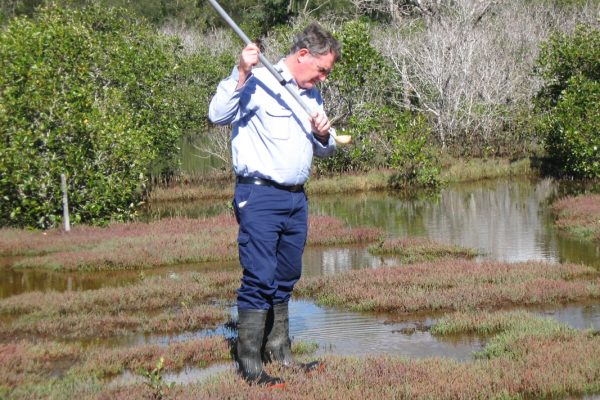
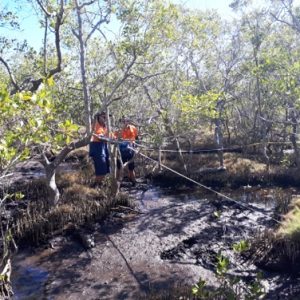
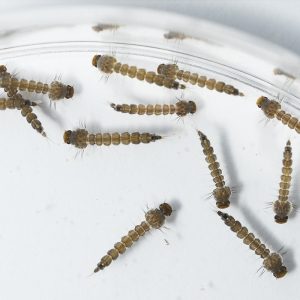
Photo by Chen Wu
As part of our commitment to high-quality, applied research, MARC employs a full-time Research Scientist hosted by the Mosquito Control Laboratory at QIMR Berghofer Medical Research Institute in Brisbane.
The MARC Scientist conducts and oversees laboratory and field-based research focused on mosquitoes and mosquito-borne viral diseases of public health importance in Australia. Research outcomes are designed to support practical decision-making for MARC members and stakeholders.
Through our collaboration with QIMR Berghofer, MARC has access to specialist facilities, expertise, and research networks. The MARC Scientist also supports project coordination, stakeholder liaison, and supervision of postgraduate research relevant to member priorities.
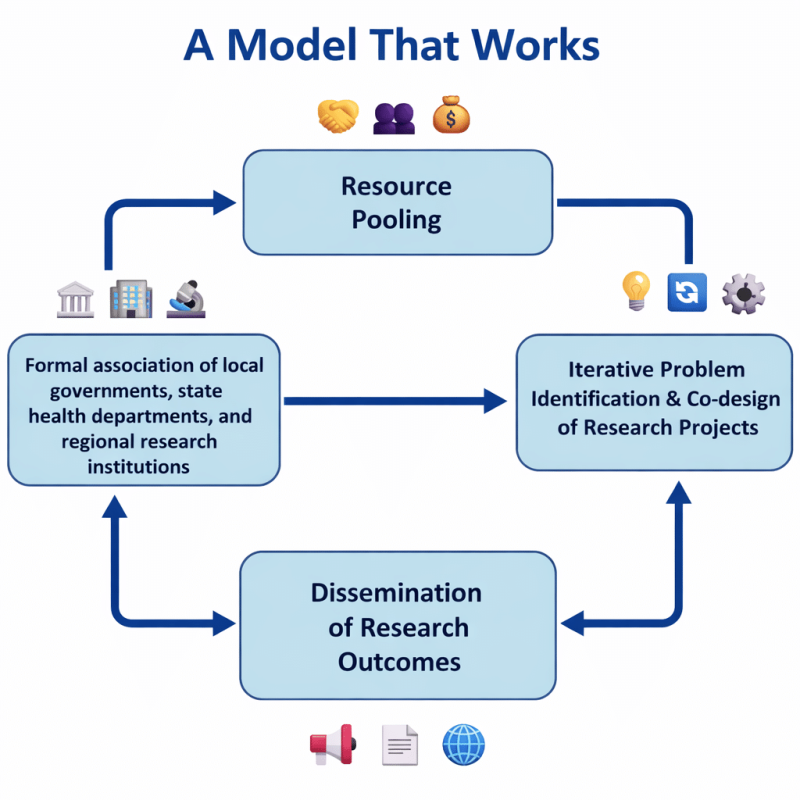
MARC also funds additional research projects aligned with member-defined priorities. These may include targeted studies into exotic mosquito incursions, new surveillance tools, and emerging control techniques.
The research supported by MARC is guided by priorities determined by our membership. These priorities are reviewed regularly to ensure relevance to current and emerging mosquito control challenges.

Ross River virus (RRV) is the most common mosquito arbovirus affecting humans in Australia. Approximately 5000 human cases are reported annually.
The transmission cycle of RRV is complex, with at least a dozen mosquito vectors and a diverse but poorly understood reservoir host community that may include macropods, humans, possums and birds.
These factors, combined with the circulation of multiple RRV strains of varying virulence, make outbreak prediction and the formation of public health mitigation strategies difficult.

Photo by Richard Russell
Globally, urban development is concentrated along the world’s coasts yet urban planning guidelines often overlook the problems that human encroachment on or near coastal mosquito habitat may cause.
Developments near breeding sites (e.g. coastal marshes and mangrove swamps) will create potentially unbearable mosquito (and/or biting midge) biting burdens for residents unless effective measures are taken.
This also has public health implications where the species in question include competent disease vectors.

Photo by Chen Wu
Southeast Queensland is threatened by two invasive mosquito vectors: Aedes aegypti and Aedes albopictus. Aedes aegypti, the primary dengue vector, was present in Brisbane into the 1950s.
It is not entirely clear why the population disappeared, but it may re-establish from North Queensland or from various remnant pockets in the South East.
Incursions from overseas also threaten the establishment of exotic, insecticide-resistant variants in Australia.
Aedes albopictus is not on mainland Australia but it is highly invasive and present throughout the Torres Strait islands.
The movement of eggs from the Torres Strait to the mainland in shipping containers or personal effects, and the species subsequent establishment in urban areas, remains a tremendous risk.
Mainland Australia requires effective mosquito surveillance programs both in and outside of first ports of entry to reduce establishment risks.

Mosquito management programs in Southeast Queensland emphasise larval control in breeding sites with the use of target-specific compounds such as Bacillus thuringiensis israelensis (Bti) and S-methoprene, but there are also situations where adult management is appropriate.
Vegetation barrier or harbourage treatments may be effective where residential zones are adjacent to breeding sites that are inaccessible for larval control, but their efficacy requires evaluation.
The volatile pyrethroids (i.e. metofluthrin or transfluthrin) may have indoor and outdoor applications against mosquitoes or biting midges.

Photo by Chen Wu
Two freshwater mosquito species implicated in the transmission of Ross River virus (RRV) are Culex annulirostris and Aedes procax.
Larvae of the former occur in a number of habitat types including temporary grass-dominated pools and permanent freshwater ponds, often on private land.
The latter’s habitat is poorly described. Local governments require a greater understanding of the role that these species play in RRV transmission, their most productive habitats and the effective management of these sites.

Aedes vigilax is the most pestiferous mosquito in Southeast Queensland, particularly near the saltmarsh pools and mangrove swamps where they thrive.
They are persistent biters, can disperse for long distances (>5km) and are suspected vectors of Ross River and Barmah Forest viruses.
Their great dispersal capacity makes them a concern for new housing developments near coastal habitat.
MARC’s research program is shaped by the priorities of our members, ensuring outcomes are practical, relevant, and directly applicable to mosquito control programs across Australia.