Dog heartworm (caused by Dirofilaria immitis) has been an increasing veterinary problem in recent decades. Humans can rarely become infected, but heartworms do not usually complete their lifecycle in people. Human infections are uncommon and generally not serious. Heartworm disease in cats is very different from heartworm disease in dogs. Unlike dogs, cats are an atypical host for heartworms, and most worms in cats do not survive to the adult stage. While this means heartworm disease often goes undiagnosed in cats, it’s important to understand that even a few worms may cause long-lasting health impacts. Moreover, the medication used to treat heartworm infections in dogs cannot be used in cats, so prevention is the only means of protecting cats from the effects of heartworm disease.
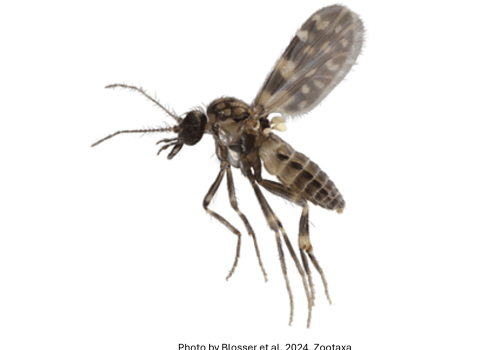
Local mosquitoes, including species in southern Queensland (Aedes notoscriptus and Culex annulirostris), have been shown to be highly susceptible to infection and have close contact with dogs in domestic and peridomestic urban and rural situations.
Mosquitoes become infected with D. immitis when they feed on an infected animal carrying microscopic heartworm larvae (microfilariae). The larvae develop inside the mosquito and are then transmitted to another dog during a subsequent bite.
Signs and symptoms of the disease in dogs may develop gradually and can include:
- Persistent cough
- Exercise intolerance
- Lethargy
- Weight loss
- Difficulty breathing
- Reduced appetite
- Collapse in severe cases
Some dogs may show few signs until disease is advanced.
Veterinarians diagnose heartworm using:
- Blood antigen tests
- Microscopic examination for microfilariae
- Chest X-rays
- Ultrasound (echocardiography)
Annual testing is recommended, even in dogs receiving prevention.
Heartworm disease is far easier and safer to prevent than to treat. Preventive options monthly oral tablets, topical spot-on treatments and long-acting injections. Preventives kill immature larvae before they develop into adult worms.
Reducing mosquito exposure can also help. You may want to limit outdoor exposure during peak mosquito activity, particularly the hours around dawn and dusk, and remove standing water around your home that may breed mosquitoes.
Treatment for heartworm disease can be lengthy and expensive. It may involve:
- Adulticide medications
- Strict exercise restriction
- Anti-inflammatory therapy
- Supportive veterinary care
Severe infections can cause permanent damage to the heart and lungs.
For advice on heartworm prevention and testing, consult a veterinarian. More information may be found at the American Heartworm Society.