A new Australian study has demonstrated that purpose-grown vegetation barriers can substantially reduce nuisance biting midge populations in coastal residential communities, while also delivering important secondary benefits for mosquito control.
The MARC Scientist in collaboration with the City of Moreton Bay evaluated the effectiveness of a purpose-planted Lilly Pilly vegetation barrier in reducing the abundance of biting midge in residential backyards before and after treatment of the barrier with a long-lasting insecticide.
Published in the Journal of the American Mosquito Control Association, the research found that homes adjacent to the vegetation barrier experienced 71% fewer biting midges prior to insecticide treatment, demonstrating the barrier’s ability to disrupt midge movement from nearby tidal breeding habitats. Following residual insecticide application, biting midge populations declined by 86%, while mosquito numbers fell by 79% across the study area.
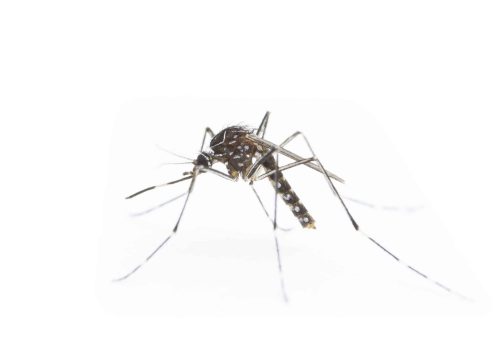
The project used automated smart trap technology to continuously monitor biting midge and mosquito activity, generating thousands of observations and allowing researchers to evaluate changes in pest abundance in near real time.
Researchers say the findings provide strong evidence that vegetation barriers can form an effective part of integrated pest management programs in coastal communities where conventional control options are limited by environmental regulations and challenging wetland habitats. The study also highlighted the potential for carefully designed green infrastructure to deliver dual benefits for nuisance reduction and urban landscape enhancement.
The authors note that future research will focus on optimising barrier design, evaluating impacts on non-target species, and investigating the use of mixed native vegetation systems that may further improve both ecological and pest management outcomes.