Japanese encephalitis virus (JEV) is a virus spread to humans by the bite of an infected mosquito. It was first detected on mainland Australia in early 2022. Prior to that, the only known locally transmitted human cases of JEV in Australia occurred in 1995 on Badu Island in the Torres Strait (three human cases, two deaths). However, the disease is common across tropical and temperate Asia where it causes 80,000 cases and 20-30,000 deaths annually. In Australia, its current distribution may now include large parts of Queensland, New South Wales, Victoria, South Australia and northern regions of the Northern Territory and Western Australia.
JEV was first detected in piggeries in southern Queensland, NSW, Victoria and South Australia in late February and early March 2022. In domestic pigs, the disease is associated with
higher than normal levels of abortion, stillborn and weak piglets. It was the post-mortem investigation of those piglets that led to the discovery of JEV in mainland Australia.
The pathway of the current JEV incursion into southern Queensland and the southern states of Australia is not clear. It would appear that the origin of the virus is from north Australia or PNG, rather than from Asia. The virus may have been carried south by 1) infected mosquitoes 2) infected birds or 3) infected feral pigs. At the moment, most commentators think that infected birds are the source. Their distributions are likely to have been impacted by the wet weather and the appearance of new wetland areas.
Aquatic wading birds (e.g., herons and egrets) have a central role in maintaining the virus. The importance of other animals, especially non-wading birds, and feral pigs is not well
studied. Domestic pigs almost always play a major part in transmission to humans. Pigs are “amplifying hosts” which means that they develop very high concentrations of virus in their
blood. Adult pigs rarely show symptoms, but are very infectious to mosquitoes. JEV cannot be caught through eating pork or pig products. Piggeries are usually quite close to human habitation, and that is why they are often the source of human infection.
Humans and horses are “dead-end” hosts, meaning they can get sick but will not produce sufficient virus to infect mosquitoes. JEV cannot be spread directly from person to person.
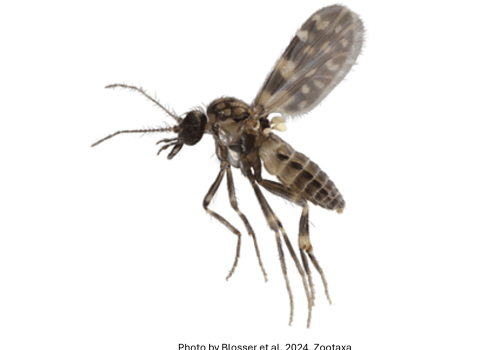
JEV is principally transmitted in Australia by the freshwater mosquito Culex annulirostris. It can disperse over substantial distances during its life, so even people some kilometers from primary breeding sites. This mosquito is largely active at dawn and dusk, so people should protect themselves from mosquito bites when and where these mosquitoes are abundant. Particular attention should be paid when close to piggeries and in areas where large numbers of aquatic wading birds congregate.
Like most mosquito-borne diseases, only a small proportion of infected humans (about 1 in 250) develop severe JEV symptoms. However, for those people, the disease can manifest as a life-threatening encephalitis (inflammation of the brain) which can cause disorientation, seizures, coma and death. Tragically, a large proportion of survivors may suffer long-term neurological or cognitive disorders.
Personal protective measures are critical to preventing mosquito bites and potential exposure to JEV. These include wearing long, loose fitting clothes, shoes that cover the feet and applying mosquito repellents (particularly those containing picaridin or DEET) to all exposed skin. In and around the home, coils and sprays can be used in small outdoor areas and where possible, doors and windows should be screened. Infants can be protected using mosquito proof netting over buggies and prams.
There is no cure for JEV. There are however, extremely effective vaccines available for those aged 2 months and over. Because of the 2022 and more recent JEV outbreaks, affected states have expanded free access to the Japanese encephalitis vaccine to people who live and work in high-risk local government areas. Please visit your state public health website to learn more about their JEV vaccine programs and to see if you qualify to receive a free JEV vaccine.