Kunjin virus (KUNV) is related to West Nile virus and is often referred to as West Nile virus Kunjin subtype. The name Kunjin is derived from an Aboriginal clan living on the Mitchell River close to where the virus was first isolated in Kowanyama, northern Queensland, in 1960.
Although only a small number of cases of KUNV are reported annually, the virus is known to occur in many parts of Australia.
Infection with the virus often causes no symptoms, but it can lead to either an encephalitic disease or a non-encephalitic disease. Non-encephalitic disease can cause symptoms including acute febrile illness, headache, arthralgia, myalgia, fatigue and rash. Kunjin virus encephalitis features acute febrile meningoencephalitis. Both forms of KUNV disease are milder than the diseases caused by West Nile virus and Murray Valley encephalitis virus.
It also affects horses, sometimes with severe consequences.
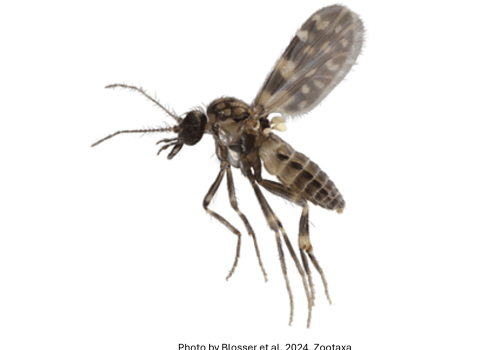
KUNV shares a similar epidemiology and ecology with Murray Valley encephalitis as it is transmitted primarily through a bird-mosquito-bird cycle, with humans and horses acting as accidental “dead-end” hosts. The virus is most strongly associated with Culex annulirostris mosquitoes and water birds.