Skip to content
Member Login
Log Out
Join MARC
Access Portal
  • Home
  • What We Do
  • Mosquito-Borne Diseases
  • News
  • Membership
  • Contact
  • Home
  • What We Do
  • Mosquito-Borne Diseases
  • News
  • Membership
  • Contact
Member Login
Join MARC

Home / Mosquito-Borne Diseases

Mosquito-Borne Diseases in Australia

Viruses transmitted by mosquitoes affecting public health in Australia.

Photo by Chen Wu

Mosquito-borne diseases pose ongoing public health risks in Australia and nearby regions. MARC supports research that improves our understanding of how these viruses spread and how mosquito control strategies can reduce transmission.

Many of these diseases are spread between animals and humans by mosquito vectors, while others are imported through international travel. Understanding these viruses, their mosquito vectors, and their transmission cycles is essential for effective prevention and control.

Loading...
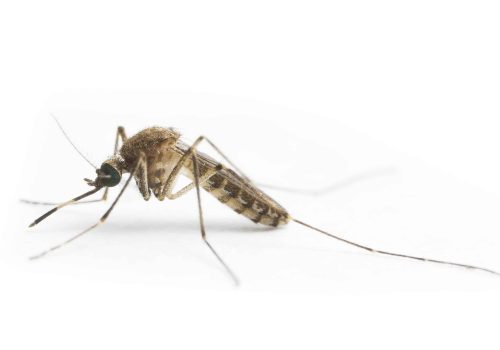
Culex annulirostris is the main vector of Ross River virus in Australia.

Ross River Virus

Culex annulirostris is the main vector of Ross River virus in Australia.

Ross River virus (RRV) is an endemic, mosquito-borne pathogen that occurs all over Australia. The virus was first isolated from Aedes vigilax mosquitoes collected on the banks of the Ross River in Townsville in 1959 but it was not associated with clinical symptoms until some years later. Approximately 5,000 cases…

Barmah Forest Virus

Barmah Forest Virus

Barmah Forest Virus

Barmah Forest virus (BFV) is closely related to Ross River virus. It was first isolated from Culex annulirostris mosquitoes collected in 1974 in the Barmah Forest on the Murray River but it was not associated with human disease until 1988. Little is known about the vertebrate hosts of BFV although…

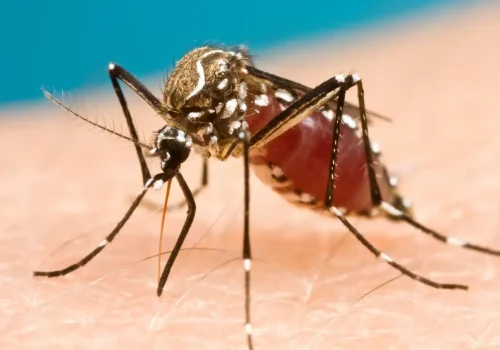
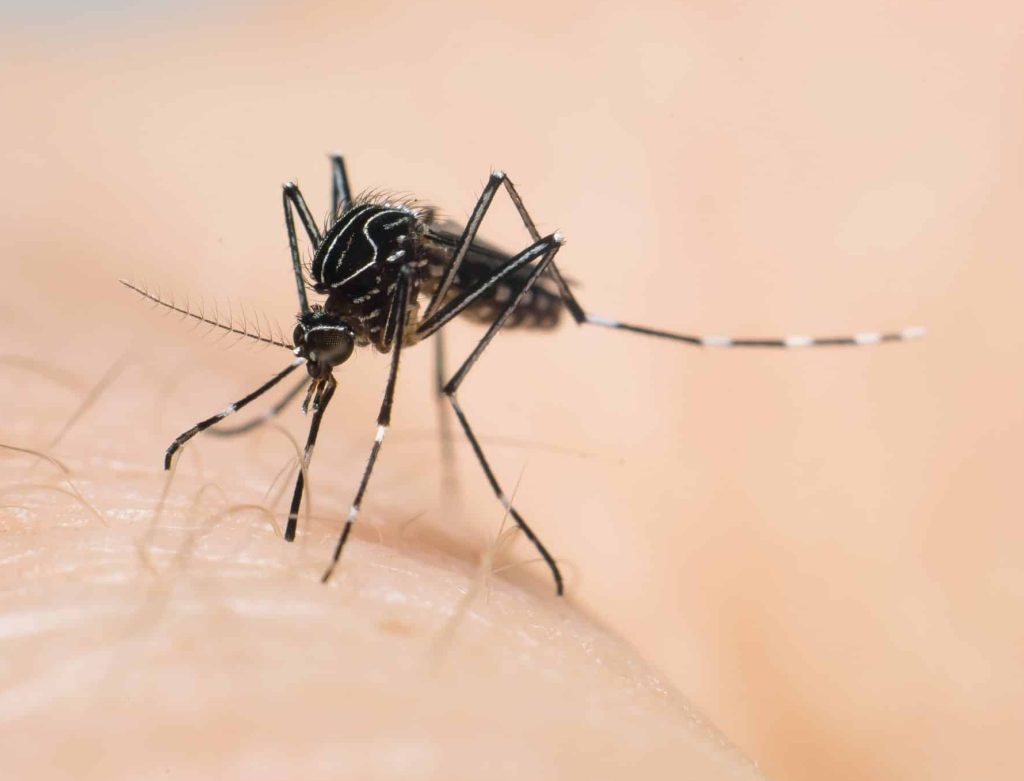
A female Aedes aegypti blood-feeding on a human host

Dengue Fever

A female Aedes aegypti blood-feeding on a human host

Dengue is a mosquito-borne viral disease caused by dengue virus that is most commonly transmitted to people by the mosquito Aedes aegypti. Dengue virus is not endemic (i.e., does not occur naturally) in Australia, but it may be introduced to the country from travellers returning from Asia, the Pacific, and…

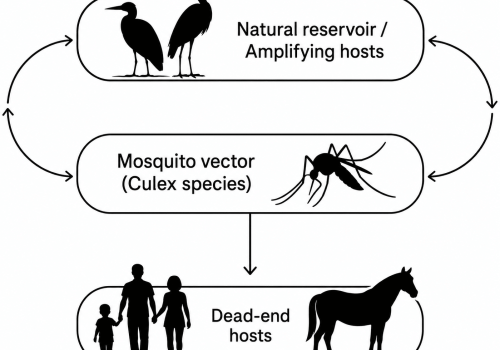
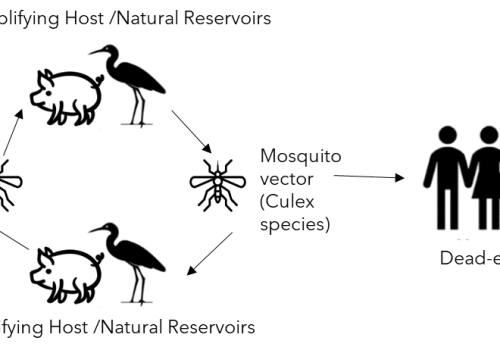
MVEV transmission cycle

Murray Valley Encephalitis Virus

MVEV transmission cycle

Murray Valley encephalitis (MVEV) is the most serious of the endemic arboviruses in Australia with a 15-30% fatality rate. This is similar to the recently introduced Japanese encephalitis virus. Large outbreaks of MVEV are uncommon (58 cases in 1974, 17 cases in 2011, 26 cases in 2023) but individual cases…

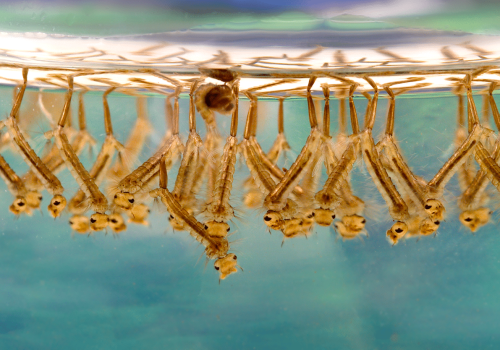
Culex sp. larvae

Kunjin Virus

Culex sp. larvae

Kunjin virus (KUNV) is related to West Nile virus and is often referred to as West Nile virus Kunjin subtype. The name Kunjin is derived from an Aboriginal clan living on the Mitchell River close to where the virus was first isolated in Kowanyama, northern Queensland, in 1960. Although only…

An overview of the transmission cycle of JEV

Japanese Encephalitis Virus

An overview of the transmission cycle of JEV

Japanese encephalitis virus (JEV) is a virus spread to humans by the bite of an infected mosquito. It was first detected on mainland Australia in early 2022. Prior to that, the only known locally transmitted human cases of JEV in Australia occurred in 1995 on Badu Island in the Torres…

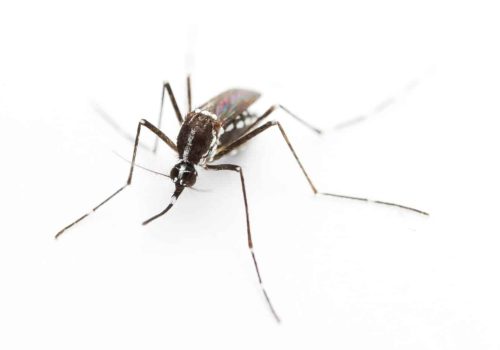
Aedes albopictus is a main vector of Chikungunya virus

Chikungunya

Aedes albopictus is a main vector of Chikungunya virus

Chikungunya virus (CHIKV) is emerging as a significant vector borne disease and since 2004 has caused large epidemics in many regions of the world. It occurs in Africa, Asia, the Americas and the Western Pacific. People who travel to places where CHIKV occurs are at risk of infection if bitten…

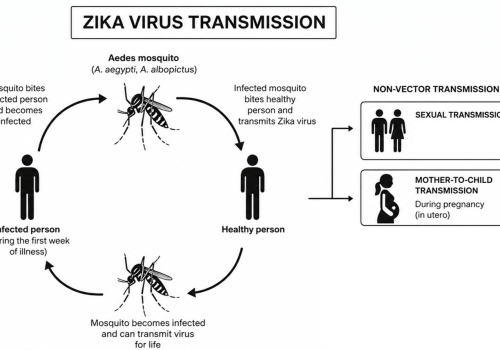
Zika transmission

Zika Virus

Zika transmission

Zika virus (ZIKV) infection during pregnancy can cause infants to be born with microcephaly and other congenital malformations. Infection is also associated with other complications of pregnancy including preterm birth and miscarriage and an increased risk of neurologic complications including Guillain-Barré syndrome, neuropathy and myelitis. Zika virus is primarily transmitted…

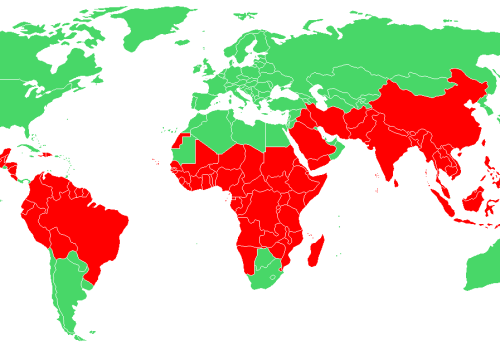
Malaria risk map

Malaria

Malaria risk map

Malaria is caused by single-celled parasites of the Plasmodium genus. It is spread from human to human by infected female Anopheles mosquitoes. The disease is widespread in the tropical and subtropical regions of the world and is most devastating in Sub-Saharan Africa. In 2017, an estimated 219 million cases of…

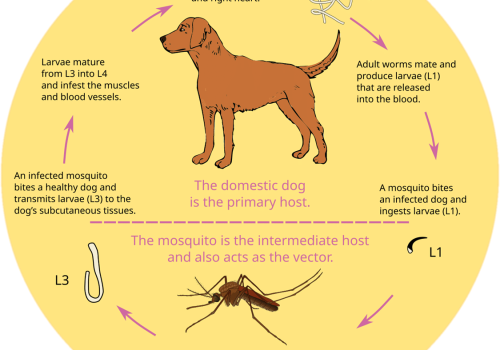
https://commons.wikimedia.org/wiki/File:Dirofilaria_immitis_lifecycle.svg

Dog Heartworm

https://commons.wikimedia.org/wiki/File:Dirofilaria_immitis_lifecycle.svg

Dog heartworm (caused by Dirofilaria immitis) has been an increasing veterinary problem in recent decades. Humans can rarely become infected, but heartworms do not usually complete their lifecycle in people. Human infections are uncommon and generally not serious. Heartworm disease in cats is very different from heartworm disease in dogs….

Further Information

For additional resources on mosquito-borne diseases and public health research, visit:

  • Mosquito Control Association of Australia
  • Queensland Institute of Medical Research—Mosquito Control
  • Queensland Health
  • Queensland Health Mosquito-Borne Diseases
  • Department of Health
  • Australian Bureau of Meteorology
  • Australian Pesticide and Veterinary Medicines Authority
  • Department of Agriculture
  • Department of Natural Resources, Mines and Energy
  • World Mosquito Control Program
  • The New South Wales Arbovirus Surveillance and Mosquito Monitoring Program
  • American Mosquito Control Association
  • Communicable Diseases Centre, Atlanta
  • European Centre for Disease Prevention and Control
  • Home
  • About
  • Research
  • News
  • Join MARC
  • Log In
  • Privacy
  • ©2026 Mosquito and Arbovirus Research Committee (Inc.)

Contact Us

  • 07 3878 6152
  • info@marc.net.au
  • Website by iOnline
  • ©2026 Mosquito and Arbovirus Research Committee (Inc.)
  • Website by iOnline